Day 32: Gran Canaria and Fuerteventura in winter – ID, Canary Islands customs and keeping an eye on the waves
Vanessa is a fictional character created by Reiseblase. Her stories are made up – we check facts, rules and advice against official sources.
It’s grey outside, the office heating is on level five – and at my desk I’m hearing almost nothing but one question right now: “Where is it warm in December without flying for twelve hours?” Very often, I end up suggesting the Canary Islands. We’ve already covered Tenerife; today it’s the neighbouring islands of Gran Canaria and Fuerteventura.
Last week Jana was sitting at my desk, just back from Maspalomas. She raved about the dunes, 23 degrees and long evenings on the terrace. And then she said something that made me prick up my ears: “At Düsseldorf Airport, customs pulled me aside. I thought – but that’s Spain, isn’t it?”
That’s exactly where the catch lies – and there are a few other small pitfalls I’d like to talk about today. So that your winter sun trip stays as relaxed as it looks in the photos.
Read more with the Reiseblase newsletter
Sign up for our newsletter (once a week; you can unsubscribe at any time). Once you’ve done that, you’ll be able to read all the diary entries in full and, as a thank-you, you’ll receive our travel budget planner (Excel and PDF).
Already signed up? Click on the link in your welcome email, and everything will be unlocked.
By the way, Jana wasn’t carrying anything illegal – just cigarettes for her dad and a bottle of rum. The problem: although the Canary Islands belong to Spain and therefore to the EU, they are not part of the EU tax territory for excise duty and VAT. Goods you bring back from there are therefore subject to the same restrictions as imports from non-EU countries (1). In the end she had to pay extra and told me: “If I’d known that beforehand, I could have saved myself the money.”
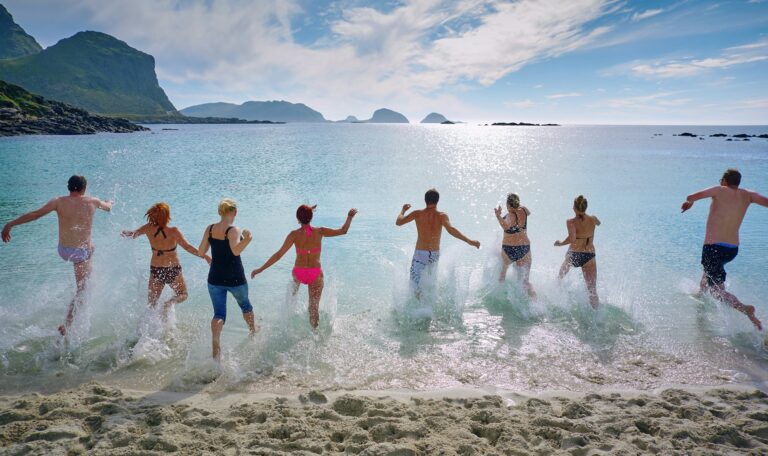
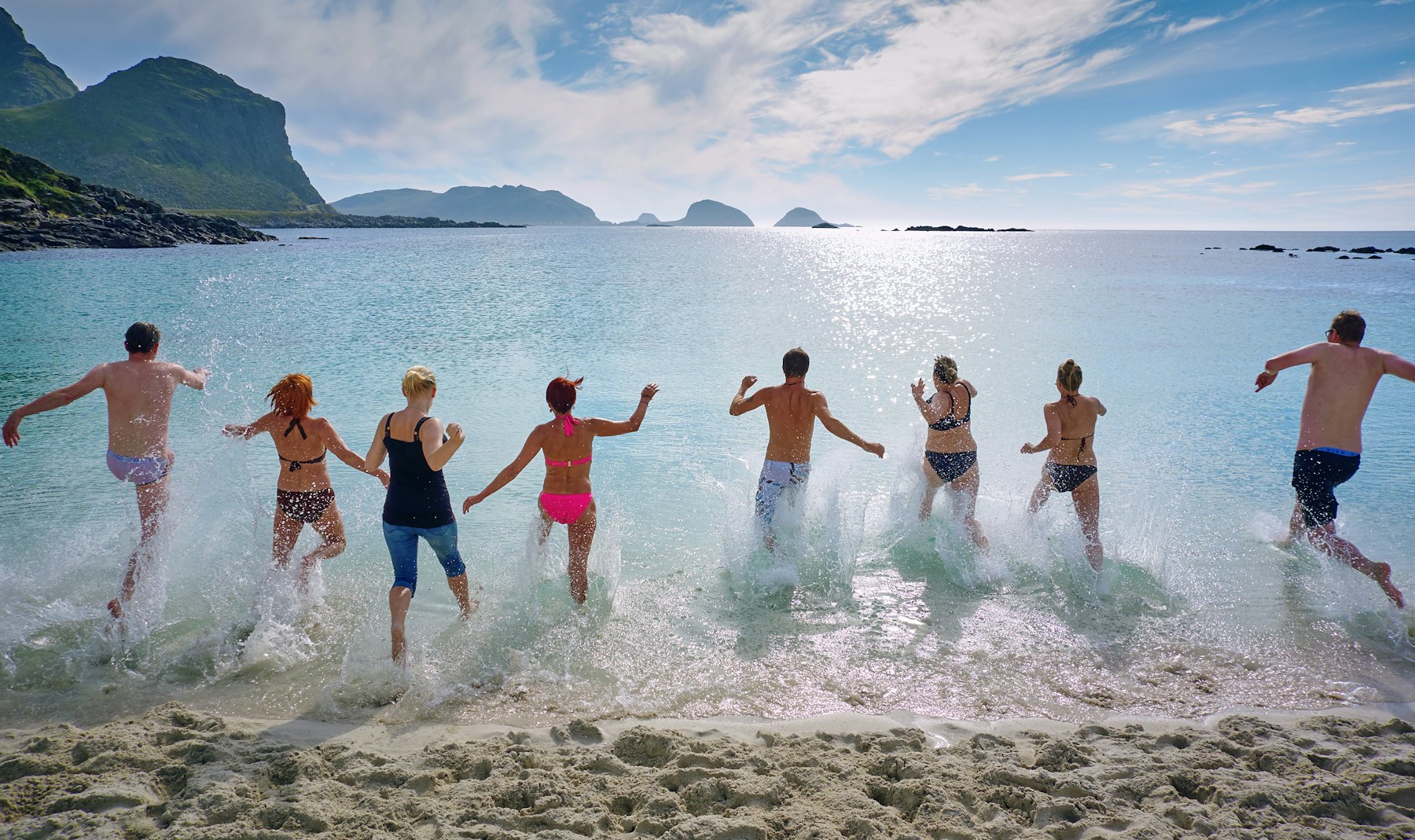
Then there was Murat, who spent a week on Fuerteventura with his girlfriend. He’s a good swimmer, but he still underestimated the waves at the beach. Luckily nothing happened, but he was shocked at how strongly the current pulled him sideways. The German Federal Foreign Office (Auswärtiges Amt) does indeed warn that in spring and autumn the Canary Islands see severe storms with very high waves, and life-threatening currents can occur even in normal weather (1). His lesson: watch the flags and swim where there are lifeguards.
And Lena from my yoga class hired a car with her mum in Gran Canaria to drive up into the mountains. Up there it suddenly turned foggy and cold – and the car had ordinary summer tyres. That’s usually the case with hire cars in Spain, and in winter and spring snow and flooding can cause disruption (1).
Your Canary Islands checklist for winter
- ID: An identity card or passport is enough for entry. For the flight, however, you need a valid document – so check the expiry date now rather than at check-in (1).
- Customs on the way home: The Canary Islands lie outside the EU tax territory, so the rules for imports from non-EU countries apply (1). Before you go shopping, check the current duty-free allowances with German customs, especially for cigarettes and alcohol.
- Health insurance: Take your European Health Insurance Card (EHIC) with you (1). It is only valid with public healthcare providers, though, and does not cover transport back to Germany (2). The German Federal Foreign Office (Auswärtiges Amt) also recommends travel health insurance for trips abroad (1).
- Mobile phone: Within the EU you call and surf at domestic prices (3). Take care on the ferry between the islands: if your phone connects via satellite, the EU rules don’t apply – better switch to flight mode (3).
- Car hire: Expect summer tyres (1). Since January 2026, cars registered in Spain must carry a V-16 emergency light – ask where it is when you pick up the car (1). The drink-drive limit is 0.5 per mille, and 0.3 for new drivers in their first two years (1).
- Swimming: Watch the flags and follow the lifeguards’ instructions – dangerous currents can occur even in normal weather (1).
- Calima: Several times a year there are sandstorms that can be a strain on the health of people in risk groups (1). If you have asthma, for example, keep your medication handy in your hand luggage.
- Valuables: Pickpockets are particularly active in tourist centres, at airports, railway stations and on beaches (1).
My conclusion: for me, Gran Canaria and Fuerteventura are among the most relaxed winter sun destinations you can reach from Germany without a long-haul flight. Most of the pitfalls are small things – you just need to know about them. Pack your ID, shop sensibly in duty-free and respect the Atlantic.
Find out more in our guides:
- Car hire on holiday – what to look out for (Advertisement)
- Package holidays: an overview of your rights (Advertisement)
See you tomorrow,
Vanessa
Please note: This article is for general information only and is not a substitute for professional advice. Rules can change – please check the latest official information before you travel.
Sources
- German Federal Foreign Office (Auswärtiges Amt): Spanien: Reise- und Sicherheitshinweise (as at 15 November 2026, unchanged since 31 October 2026; accessed on 15 November 2026)
- European Union – Your Europe: Gesundheitsversorgung bei vorübergehendem Aufenthalt (last checked on 16 September 2026; accessed on 15 November 2026)
- European Union – Your Europe: Roaming: Smartphone-Nutzung in der EU (last checked on 7 January 2026; accessed on 15 November 2026)